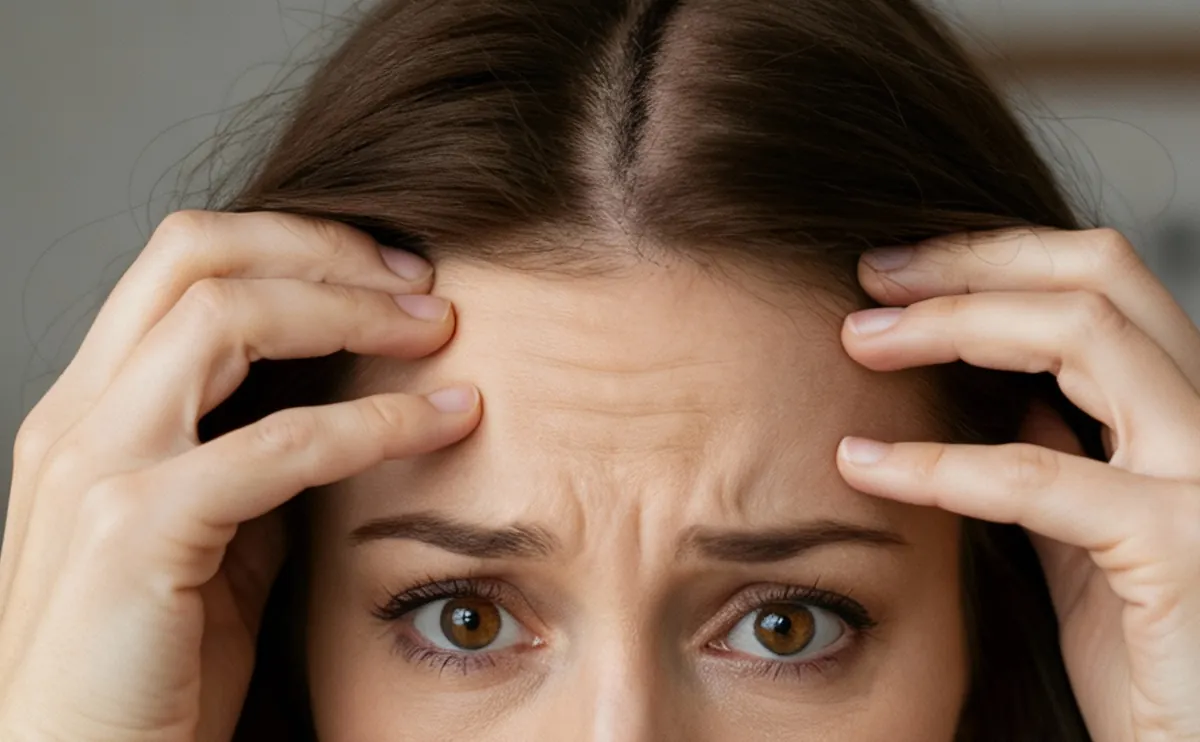
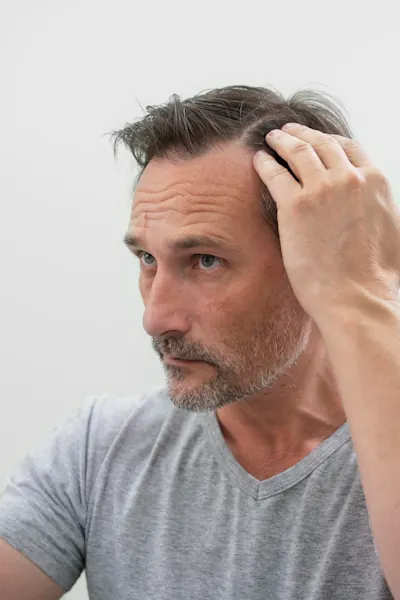
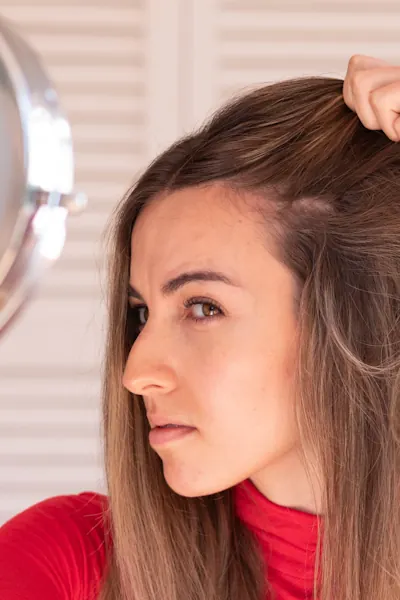
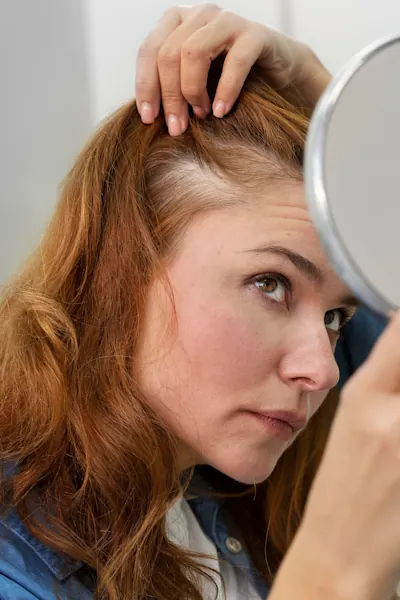
Hair loss – What to do?
Hair loss ? Shortly after a corona infection ?
Hair loss is another common symptom after a corona infection. According to the specialist journal “The Lancet Journal” (study 2020 Jin Yin tan hospital in Wuhan), around 22 percent stated hair loss as a symptom or a consequence of their corona infection.
Hair loss as a corona side effect: the good news first.
Hair loss is temporary, meaning it takes time to recover. Nutrient loss, or in other words, increased nutrient consumption, is a key cause.
It is typical after a severe infection such as Corona, but also after a severe flu as well as operations and other chronic diseases that the so-called skin appendages suffer. The body goes from the important to the “unimportant”. Don’t get me wrong, of course hair is important, especially in terms of aesthetics, well-being etc., but from the point of view of the body, hair is dispensable for the body for a short time.
But we don’t have to stand idly by.
I recommend Priorin by Bayer for nutritional hair loss. The capsules in combination with the shampoo are particularly effective. You should use this combination for at least 3 months, as the hair roots grow cyclically, i.e. are in growth phases. In the resting phase, it does not catch and the effect is therefore not optimal.
Identify the cause – then take action
Before you reach for any product, you should clarify:
Is this temporary hair loss after illness or stress?
Or is there another cause (e.g. hormonal imbalance, thyroid issues, iron deficiency, hereditary hair loss)?
Ideally, your first step is to see a doctor (GP, dermatologist) and ask for advice at the pharmacy. Blood tests such as iron, ferritin, vitamin B12, vitamin D, zinc or thyroid levels can show whether your body is missing important building blocks.

Dietary supplements: micronutrients as a “building kit” for your hair
Our hair roots are like high-performance factories. They need proteins, vitamins, trace elements and good blood circulation. If illness, medication or poor diet have created deficiencies, dietary supplements can help fill these gaps.
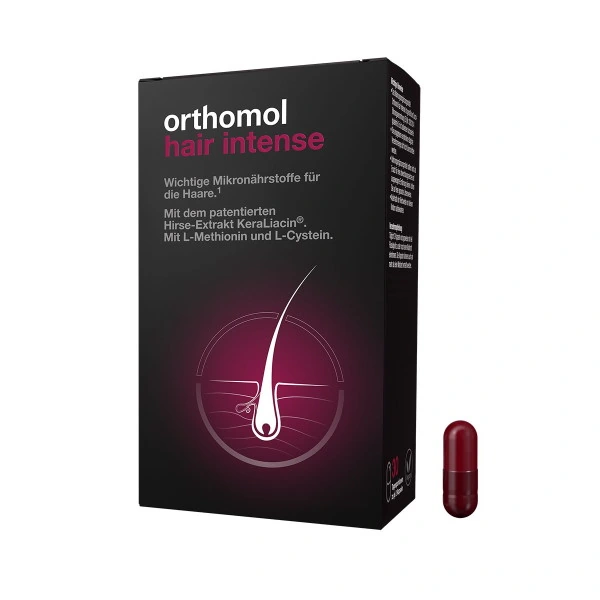
In pharmacies you’ll find products from Orthomol, for example, which focus on targeted combinations of micronutrients. These preparations often contain:
- Biotin and other B vitamins
- Zinc and selenium (which contribute to the maintenance of normal hair)
- Vitamins C and E (to protect cells from oxidative stress)
- sometimes amino acids as building blocks for keratin
Important: supplements are not miracle cures and do not replace a balanced diet or medical diagnosis. However, they can be a useful component when there is a real need – especially after prolonged illness.
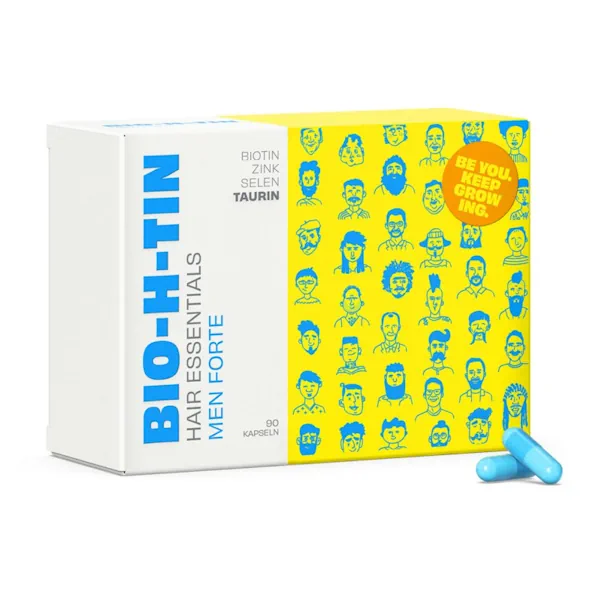
Specialised products such as Bio.T-Hin (often positioned as a “hair vitamin” product) also rely on combinations of vitamins, trace elements and other ingredients designed to support the nutrient supply to the hair roots. It’s worth asking your pharmacist which product fits your individual situation and how to integrate it into your daily routine.
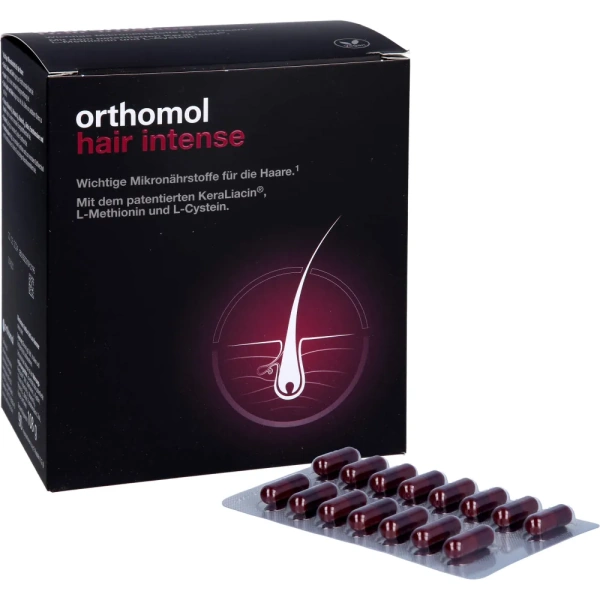
Orthomol Hair intense capsules (180 pcs)
"As a pharmacist, I help people with hair problems every day. The good news is, something can be done. Often, the right diet helps."
Medications: when you need more powerful support
Alongside dietary supplements, there are also medications for hair loss, such as solutions or foams with active ingredients that improve blood circulation in the scalp and help prolong the growth phase of the hair.
These products:
- are available only in pharmacies
- come with clear instructions for use and dosage
- can have side effects and interactions
Men with hereditary hair loss often turn to these medicines. If you notice hair loss after an illness, talk to your doctor or pharmacist to clarify whether a medicinal product is really necessary – or whether a combination of time, nutrient replenishment and gentle care is sufficient to begin with.
Natural steps you can start today
Without taking any tablets or drops, you can immediately do the following:
Protein-rich, colourful diet: eggs, fish, legumes, nuts, whole grains, plenty of vegetables. Hair is made of protein – no building blocks, no strong hair.
Reduce stress: chronic stress affects hair roots directly. Short relaxation routines, exercise or walks help more than you might think.
Scalp care: mild, pH-balanced shampoos, no aggressive styling, avoid very hot blow-drying.
Get enough sleep: regeneration happens at night – including for your hair roots.
Questions about a product?
We are here for you! Our pharmacist in charge, Dr. Sandra Hoff , and her team will be happy to advise you personally – by phone or e-mail. As a real local pharmacy and approved mail-order pharmacy , we offer you competent support, especially in the areas of naturopathy and dietary supplements, here products from vitOrgan Arzneimittel and Labo Life. To the entry in the mail order register.